Guides · metro Atlanta
The Chattahoochee, the 2009 flood, and why Atlanta basements take on water
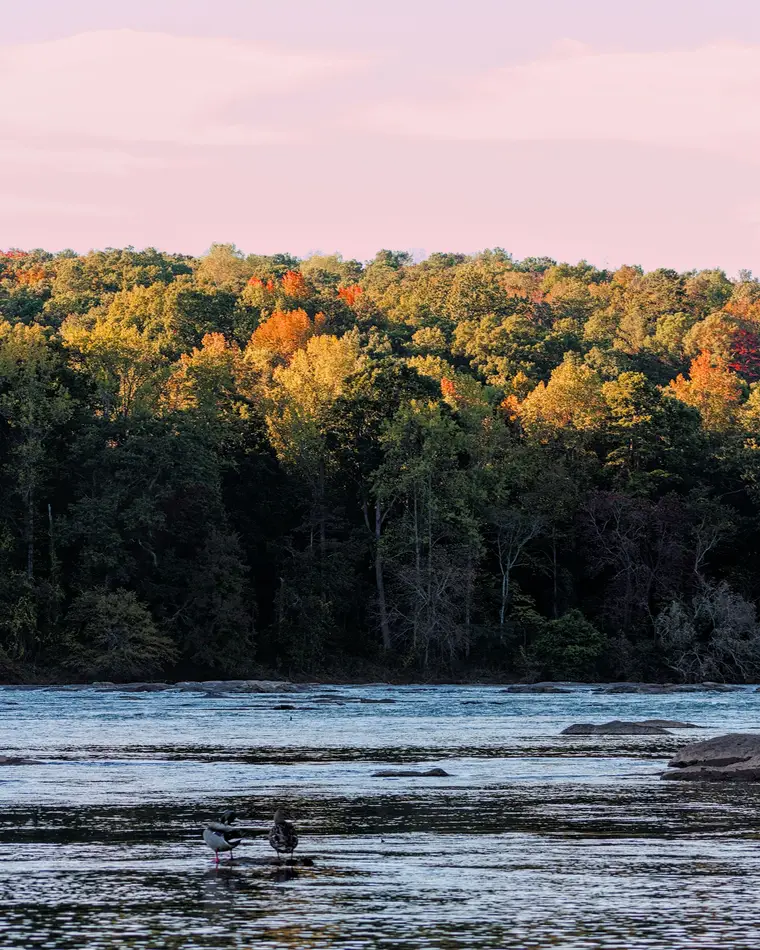
We named this company after the river that runs the city. The Chattahoochee supplies roughly seventy percent of metro Atlanta's drinking water — drawn from the smallest watershed that serves as a major water source for any big American metro — and its tributary creeks thread through nearly every neighborhood we work in. Most days that's a postcard. But the same geography that waters the metro also decides where storm water goes, and in September 2009 it showed everyone exactly how that works. Here's the short history, and the practical lessons for anyone with a basement.
September 2009: the week the metro went under
After weeks of wet ground, a stalled weather pattern parked over north Georgia in mid-September 2009 and, at its peak on September 20–21, dropped an estimated 10 to 20 inches of rain in under 24 hours on the metro's west side. The most extreme gauge — the Douglas County Water and Sewer Authority — recorded 21.03 inches in a single day. The National Weather Service later put the odds of that happening at any given Atlanta-area spot at less than one in ten thousand per year.
The creeks answered. The U.S. Geological Survey found that eighteen metro streamgages exceeded what's casually called the 500-year flood — at some sites so far beyond it that USGS declined to put a probability on the numbers at all. Sweetwater Creek near Austell crested about twenty feet above flood stage, nine feet over its previous record. The Chattahoochee itself, at the Vinings gauge, reached 28.12 feet — the highest level in 81 years of continuous record. Ten Georgians died, most on flooded roads; 23 counties were declared federal disasters; nearly 17,000 homes were affected and damage estimates ran from roughly $200 million to half a billion dollars.
The detail that explains everything: water backing upstream
One 2009 detail is worth understanding even if you skip the rest. Peachtree Creek — the urban creek that drains a huge slice of the city into the Chattahoochee — hit about 23 feet on a gauge where flood stage is 17. But the river it empties into was running so high that, for a stretch, water flowed backward up the creek. When the outlet is full, the water in your neighborhood has nowhere to go. That's the metro's drainage story in one image: everything here drains downhill into creeks, the creeks drain into the river, and when any link backs up, the water stops moving — and starts rising.
Why Atlanta floods from the bottom up
- The Piedmont's shape. Metro Atlanta is rolling hills, which is why so much housing has basements and daylight lower levels — and why every lot has a downhill side that receives its neighbors' runoff.
- Red clay. Once Georgia clay saturates, it sheds nearly everything that falls on it, and the excess travels along the surface — often to a foundation wall.
- Pavement and rooftops. Urban watersheds like Peachtree Creek's respond fast because so much of the ground can't absorb anything; USGS classifies it as a flashy, heavily urbanized stream, and 3–6 inches of overnight rain is enough to send metro creeks out of banks.
- The creeks nobody thinks about until they do: Peachtree through the city's heart, Nancy Creek through Buckhead, Brookhaven, and Sandy Springs — which forced 2:30 a.m. evacuation alerts during Helene's remnants in September 2024 — and Sope Creek in East Cobb, where flood stage is 12 feet and hard overnight rain has pushed it near 15.
What this means for your basement, in practice
- Know which water is whose. Rain or creek water entering from outside is flood damage — excluded from homeowners policies, covered only by separate flood insurance with roughly a 30-day waiting period. A pipe bursting inside is homeowners. A drain backing up is its own category, usually needing a water-backup endorsement.
- If your street, yard, or crawlspace took water in a past storm, treat that as the map of the next one. Water repeats itself.
- Photograph any waterline before cleanup — outside and in. The 2009 claims that went smoothly were the documented ones.
- Don't judge safety by sky. The deadly pattern in 2009 was cars entering flooded roads, many at night. The house is replaceable.
- After any event that ponds water near the house, check the lowest level within a day — slow seepage into a basement corner is easy to miss and expensive to discover in August.
Why carry the river's name
Because in Atlanta, water is the whole story — the river supplies the city, the creeks shape its neighborhoods, and when either turns on a house, that's the moment we exist for. Naming a damage-restoration company after the Chattahoochee keeps the mission where we can see it: respect the water, and get it back out of buildings fast.
About Chattahoochee Restoration — 24/7 water, fire, mold & storm damage restoration across Atlanta, Sandy Springs, Marietta, Decatur, and the rest of metro Atlanta (Fulton, DeKalb & Cobb counties, Georgia). On-site assessment in writing before any work starts, and insurance-ready documentation on every job. Emergency line: (678) 247-2393.
Dealing with this now in metro Atlanta?