24/7 emergency response · metro Atlanta
Storm damage cleanup, from canopy to basement
Atlanta's storms come with trees attached — nearly half the city sits under canopy, and severe cells, tropical remnants, and ice events all drop limbs through roofs. Tarping, tree-damage cleanup, extraction, and drying when weather opens a home to the sky.
What's involved
What we do
- Emergency tarping and board-up after wind, hail, or tree strikes
- Water extraction when rain follows the breach — the usual one-two
- Coordination on tree removal, then drying and documented repairs
- Wind damage vs. rising water documented separately — different policies pay
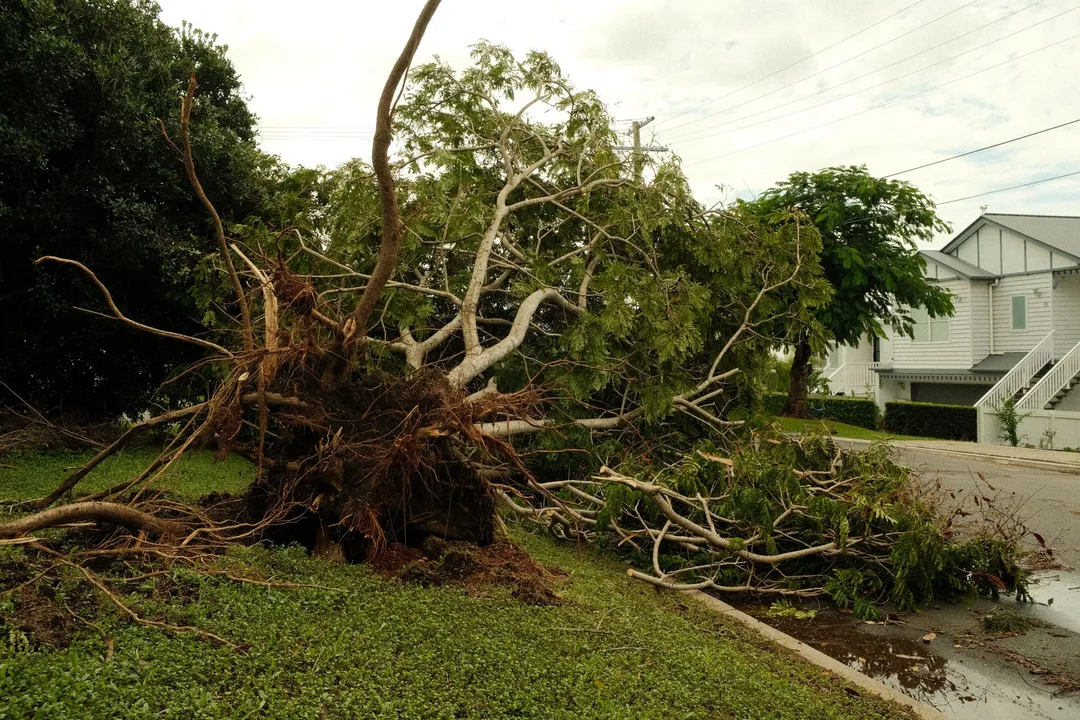
Locally, this is seasonal — it spikes when severe weather crosses the metro.
We serve Atlanta, Sandy Springs, Marietta, Decatur, Smyrna, Roswell and the rest of metro Atlanta. Same-region crews, no long waits for someone to drive in.
See all service areas →Right now, before we arrive
- Treat every line as live. Downed wires stay dangerous until the utility clears them, and a tree-struck structure can shift — keep people out until it's checked.
- Shoot everything first. Roof, ceilings, the tree, waterlines, debris field — photos and video before a single branch moves.
- Tarp the breach today. Preventing further damage is a policy duty, and rain through an open roof is the second loss. This starts before any adjuster visit.
- Save every receipt. Tarps, board-up, extraction, hotel nights — documented emergency spending is usually part of the claim.
How it works
A clear process, start to finish
Call or request a callback
Tell the line what happened and where. Water and storm events run as emergencies — the clock matters in this climate.
Assessment on site
Moisture readings, photos, and a written scope of what needs to happen — before any work begins, so nothing surprises you.
Mitigate & restore
Containment, extraction, drying, removal — the right sequence for the loss, documented step by step as we go.
Insurance squared away
Documentation formatted the way adjusters expect it, and direct coordination with your carrier on covered claims.
Straight answers
Storm Damage questions we hear most
A tree just came through the roof. What's the order of operations?
Safety, then paper, then plastic. If lines are down or the structure feels unstable, keep people out and let the utility and 911 clear it. Once it's safe: photograph everything, then get the breach tarped — your policy expects you to prevent further damage, and tarping counts. The claim can be filed in parallel; don't wait on an adjuster to stop the rain coming in.
My neighbor's tree hit my house. Whose insurance pays?
In Georgia, generally yours — your policy covers your structure no matter whose yard the tree grew in. The exception is negligence: if the owner knew or should have known the tree was dead or failing — bare in summer, previously flagged in writing — responsibility can shift. Photograph the fallen tree's condition; it matters.
Hail dented the roof but nothing's leaking. Worth a claim?
Get it inspected and documented now even if you file later — hail bruises shed granules and fail months down the road, and a fresh dated record ties the damage to the storm. One wrinkle to know: many Georgia policies carry a separate wind/hail deductible set as a percentage of your dwelling coverage, so check your declarations page before deciding.
Get help fast
Tell us what happened
Water, mold, fire, or storm damage — send a few details and we'll call you back to assess it. For active emergencies, calling is fastest: (678) 247-2393.
- 24/7 emergency response for water & storm emergencies
- We document everything for your insurance claim
- Serving all of metro Atlanta
What happens when you reach out
- Tell the 24/7 line (or this form) what happened and where — two minutes.
- We call you back fast to talk it through and set the on-site visit.
- Assessment first, in writing — work starts only when you say go.