Service areas · Fulton County
Water, mold & storm restoration in Sandy Springs
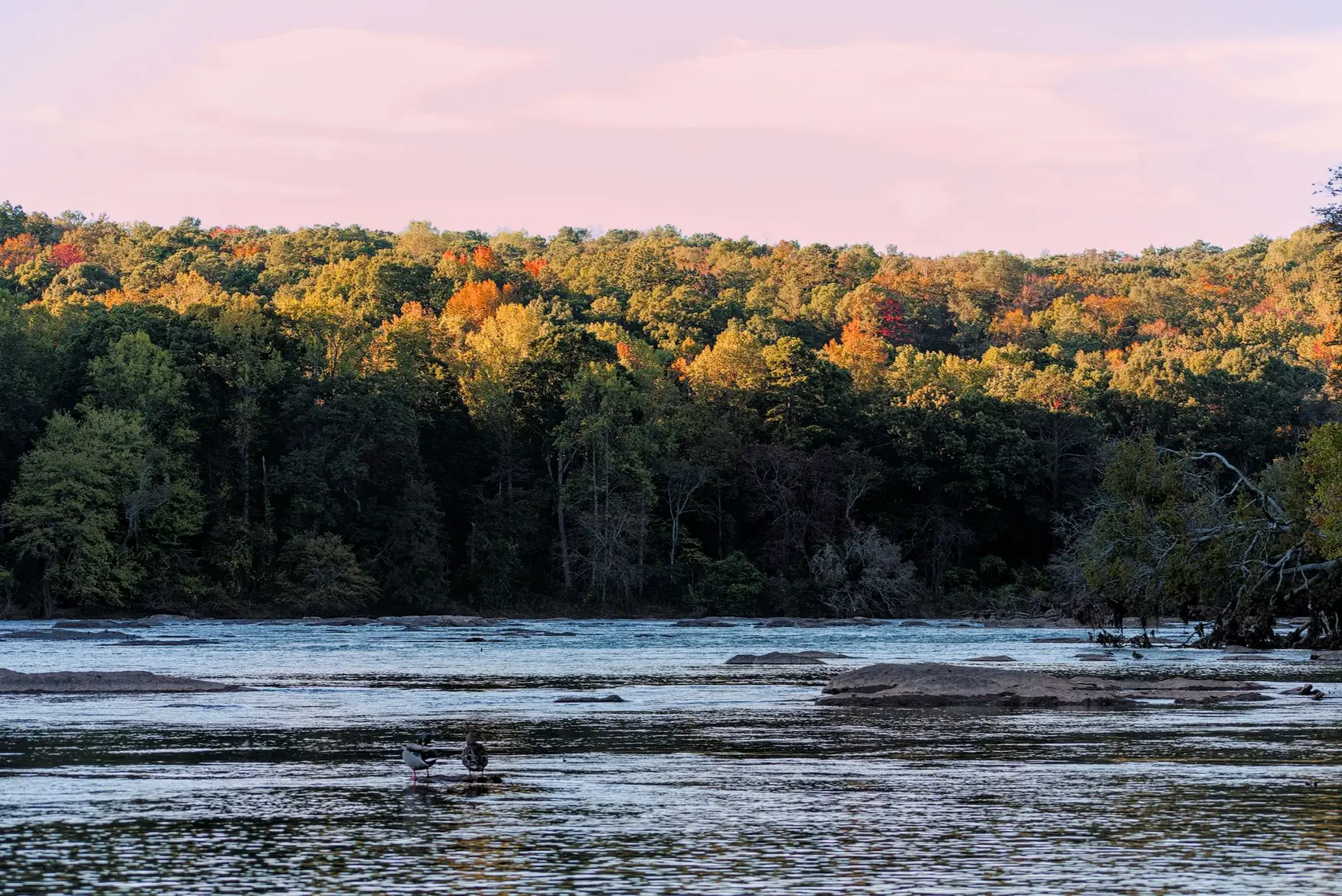
Sandy Springs is the metro's riverfront city — miles of its border run along the Chattahoochee, close enough to our namesake that we take the place personally. Most of its housing went up in the boom decades after I-285 and GA-400 arrived: brick ranches, split-levels, and two-story traditionals from the 1950s through the '80s, set on wooded, rolling lots that made daylight basements the default. That combination — older plumbing, mature trees, hillside drainage, and a river corridor the city itself regulates for flood protection — is exactly the caseload a restoration company sees here.
Local knowledge
What Sandy Springs homes actually deal with
- River and creek flooding on the low ground — the city runs a flood-zone program for a reason, and Nancy Creek's September 2024 rise during Helene's remnants forced pre-dawn evacuation alerts near Windsor Parkway. Rising water is flood-policy territory, and we document it accordingly.
- Hillside runoff into basements — the same slopes that give Sandy Springs its daylight basements aim sheeting stormwater at the downhill wall; after a saturating rain it shows up through cove joints and window wells.
- Mid-century plumbing hitting end-of-life — supply lines, water heaters, and polybutylene-era repipes in 1960s–80s housing fail on their own schedule, usually while nobody's home.
- Canopy over rooflines — the wooded lots that sell the city drop limbs in severe cells and tropical remnants; tree-through-roof plus rain is the classic two-part storm loss we work here.
What we handle in Sandy Springs
Sandy Springs questions
Asked by Sandy Springs homeowners
We're near the river corridor. Does that change anything about water damage?
Two things. First, know your policies: water rising from the river or a creek is a flood-insurance claim, separate from homeowners — and NFIP policies carry roughly a 30-day wait, so the time to add one is before a wet fall. Second, development near the Chattahoochee runs under the Metropolitan River Protection Act corridor rules, so exterior drainage fixes there can involve the city. We document the water's entry path so the right policy — and the right permit conversation — comes first.
Why does our finished basement smell musty every summer?
Below-grade rooms in this climate run cool, and cool surfaces pull condensation out of humid summer air — add carpet and drywall and you have material that holds that moisture. If the smell returns every June, it's a humidity-management problem (and sometimes a slow seepage problem) before it's a mold problem. Caught at the musty stage, the fix is usually modest; waiting for visible growth on baseboards makes it a remediation job.
Do you cover all of Sandy Springs, or just near the river?
All of it — riverfront to Roswell Road to the Perimeter side — plus the rest of north Fulton on the same 24/7 line: Roswell, Alpharetta, Dunwoody at the county line, and Buckhead just south.
Get help fast
Tell us what happened
Water, mold, fire, or storm damage — send a few details and we'll call you back to assess it. For active emergencies, calling is fastest: (678) 247-2393.
- 24/7 emergency response for water & storm emergencies
- We document everything for your insurance claim
- Serving all of metro Atlanta
What happens when you reach out
- Tell the 24/7 line (or this form) what happened and where — two minutes.
- We call you back fast to talk it through and set the on-site visit.
- Assessment first, in writing — work starts only when you say go.