Guides · metro Atlanta
After a house fire in Atlanta: the first 48 hours
The fire trucks leaving feels like the end. It's actually the start of the part you can influence. A structure fire is almost always a five- or six-figure insurance event, and the first two days set the trajectory — how much of the house stays salvageable, how safe the property is, and how cleanly the claim runs. Here's the sequence, written for how it actually goes.
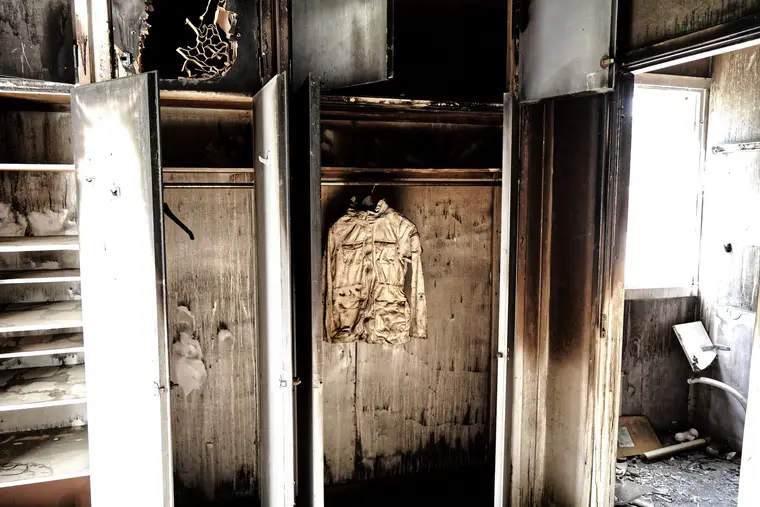
First: people, then permission
Nobody re-enters until the fire department releases the structure — and even then, treat their release as permission to enter carefully, not proof that everything is sound. Floors and stairs weaken invisibly, ceilings drop hours later, and the air in a freshly burned house is its own hazard. Short trips, sturdy shoes, a flashlight, and a mask beat wandering. If anyone in the household has breathing trouble, they stay out until cleanup is underway.
Hour one to twelve: secure the property
- Call your insurer and open the claim — the claim number unlocks everything else, including emergency-services approval and temporary housing.
- Board up openings and tarp the roof. Your policy requires you to prevent further damage, and a burned-open house invites weather and, frankly, theft. Emergency board-up is standard restoration work and typically claimable — keep the receipt.
- Ask the adjuster about additional living expenses (ALE). Most homeowners policies pay for temporary housing when the home is uninhabitable. Knowing your ALE terms on day one removes the pressure to make bad fast decisions.
- Notify the utilities. Power, gas, and water usually get cut during the fire; they should stay off until the systems are inspected.
What NOT to do while you wait
- Don't wipe soot off walls, counters, or electronics. Soot smears and grinds in; amateur cleaning turns recoverable finishes into ruined ones and can void content claims.
- Don't run the HVAC system — it will pull soot through every duct and room the fire never touched.
- Don't wash clothes or fabrics in a home machine; smoke residue needs specialized cleaning, and ordinary washing can set the odor permanently.
- Don't throw anything away yet. The adjuster needs to see the loss, and the inventory needs to record it.
- Don't sign with the first contractor who appears at the curb. Fire scenes draw solicitors; take names, compare in daylight, and be slow with any assignment-of-benefits paperwork.
The two clocks running inside the house
Fire damage compounds, and it does it on two timers. The first is soot: combustion residue is acidic, and within days it begins permanently etching and discoloring what it landed on — metal fixtures, glass, stone, grout, appliance finishes. Surfaces that professional cleaning could have saved on Tuesday are replacement items by the following week.
The second is water. Everything the hoses soaked is a full-scale water loss hiding under the fire loss, and in Atlanta's humidity that water is a mold countdown running inside walls and subfloors. Extraction and structural drying belong in the first days, handled as one documented job with the fire cleanup — not discovered in month two when the rebuild opens a wall.
Build the paper trail the claim will stand on
- Photograph and video everything before anything is moved — wide shots per room, then details.
- Start the contents inventory early: item, age, condition, replacement cost where known. Tedious now, decisive later.
- Keep every receipt — board-up, tarps, hotel nights, meals above your normal costs. ALE and emergency mitigation are real coverage, but only for documented spending.
- Get the fire report from the responding department; the claim will ask for it.
- Log every conversation with the carrier: date, name, what was agreed. Large claims run for months; memories don't.
What restoration actually involves (so bids make sense)
A legitimate fire scope runs: emergency securing → water extraction and drying → soot and residue removal from structure and contents → odor elimination at the source, including ductwork → then rebuild of what couldn't be saved. Bids that skip the drying, hand-wave the odor step, or price the whole loss over the phone aren't cheaper — they're incomplete, and the gap shows up after the money's spent. Our fire restoration cost guide breaks down how these jobs actually price.
About Chattahoochee Restoration — 24/7 water, fire, mold & storm damage restoration across Atlanta, Sandy Springs, Marietta, Decatur, and the rest of metro Atlanta (Fulton, DeKalb & Cobb counties, Georgia). On-site assessment in writing before any work starts, and insurance-ready documentation on every job. Emergency line: (678) 247-2393.
Dealing with this now in metro Atlanta?